



-
 Packing SlipsView product
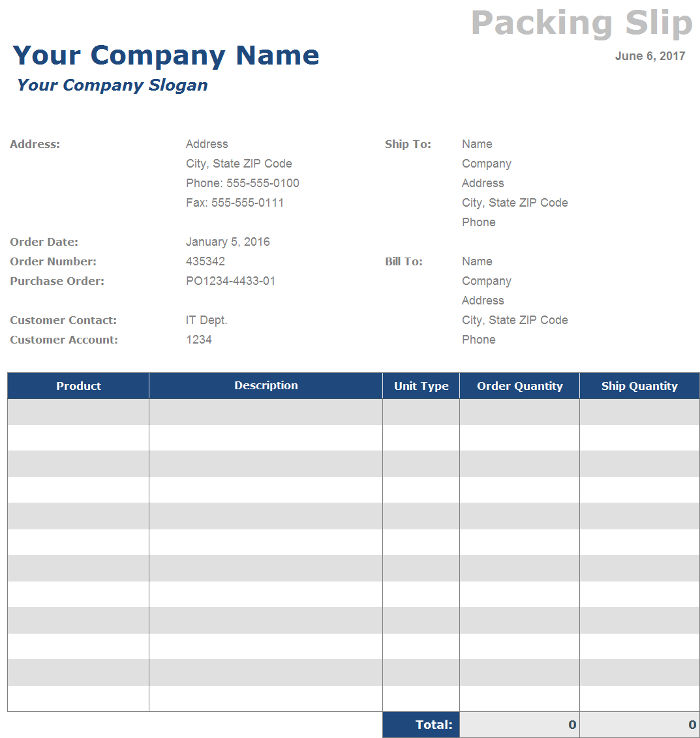
The packing slip is included in the shipment of goods and services usually without prices to alert the customer to the items and quantity included in the shipment.
-
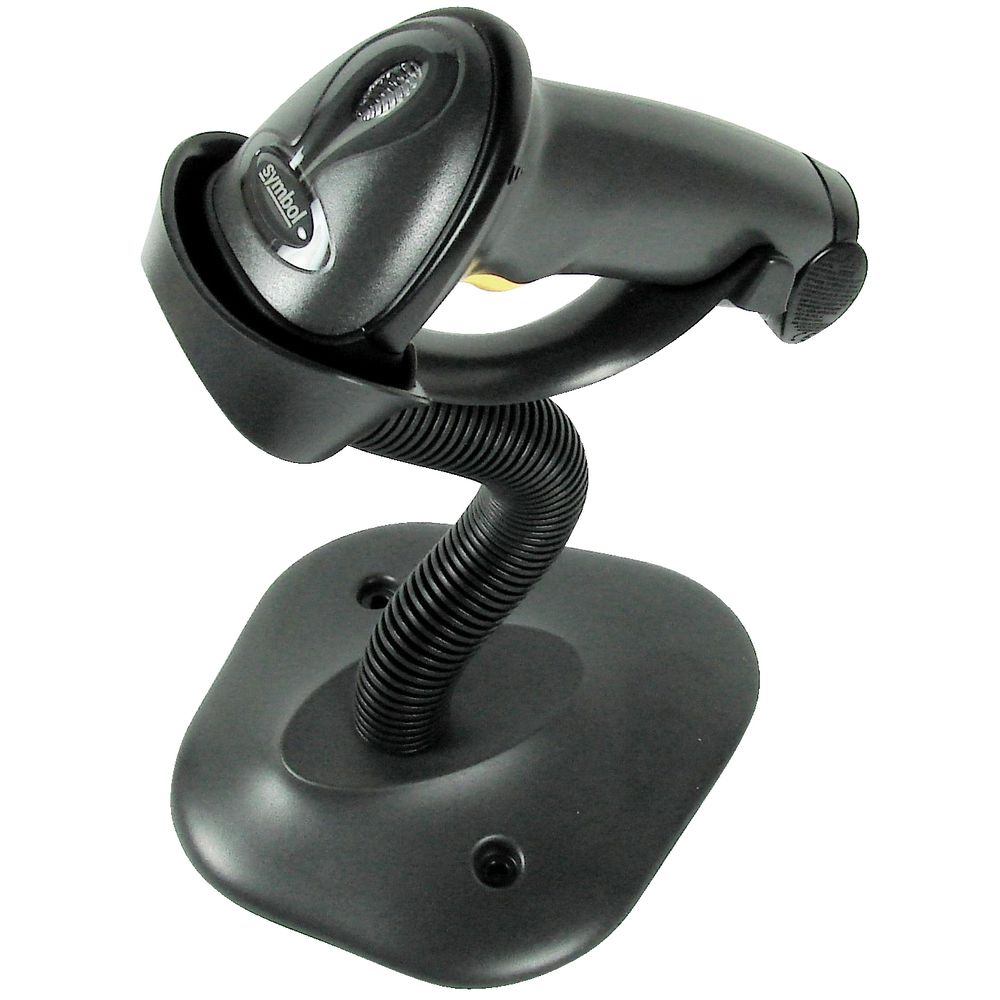 Zebra LS 2208 Barcode ScannerBarcode vault provides you the affordable Zebra LS2208 hand-held barcode scanner provides fast, reliable scanning in an ergonomic, lightweight form, one of the most selling scanners in zebra family, we have zebra LS 2208 scanners in USB as well as zebra LS 2208 with rs 232Â interface which we have ready stock.View product
-
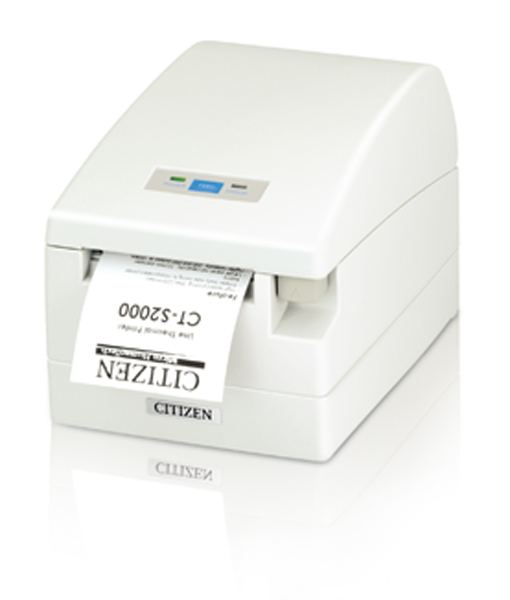 Citizen CT-S2000 Receipt PrinterView product
Citizen CT-S2000 Receipt Printer: Product Description
The Citizen CT-S2000 is a high-speed, high-reliability thermal receipt printer designed for demanding retail, hospitality, and banking environments. It offers flexible connectivity and a durable, spill-resistant design, making it a reliable solution for any point-of-sale (POS) application that requires fast, crisp, and quiet transaction printing.
For inquiries, bulk orders, or customized solutions, contact our team today: Call: +91 9717122688 Email : barcodevault@gmail.com
-
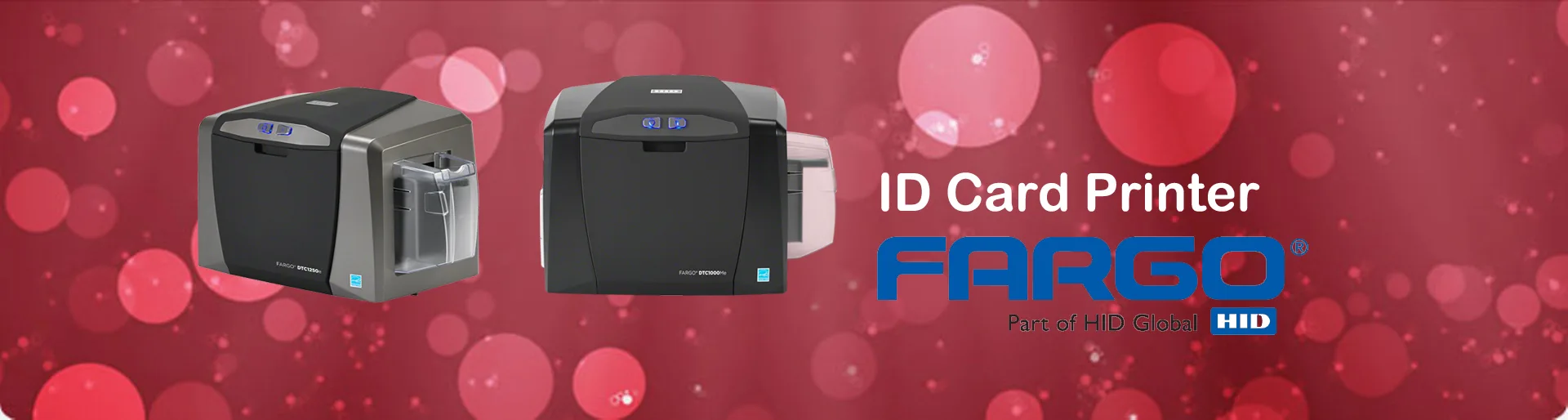
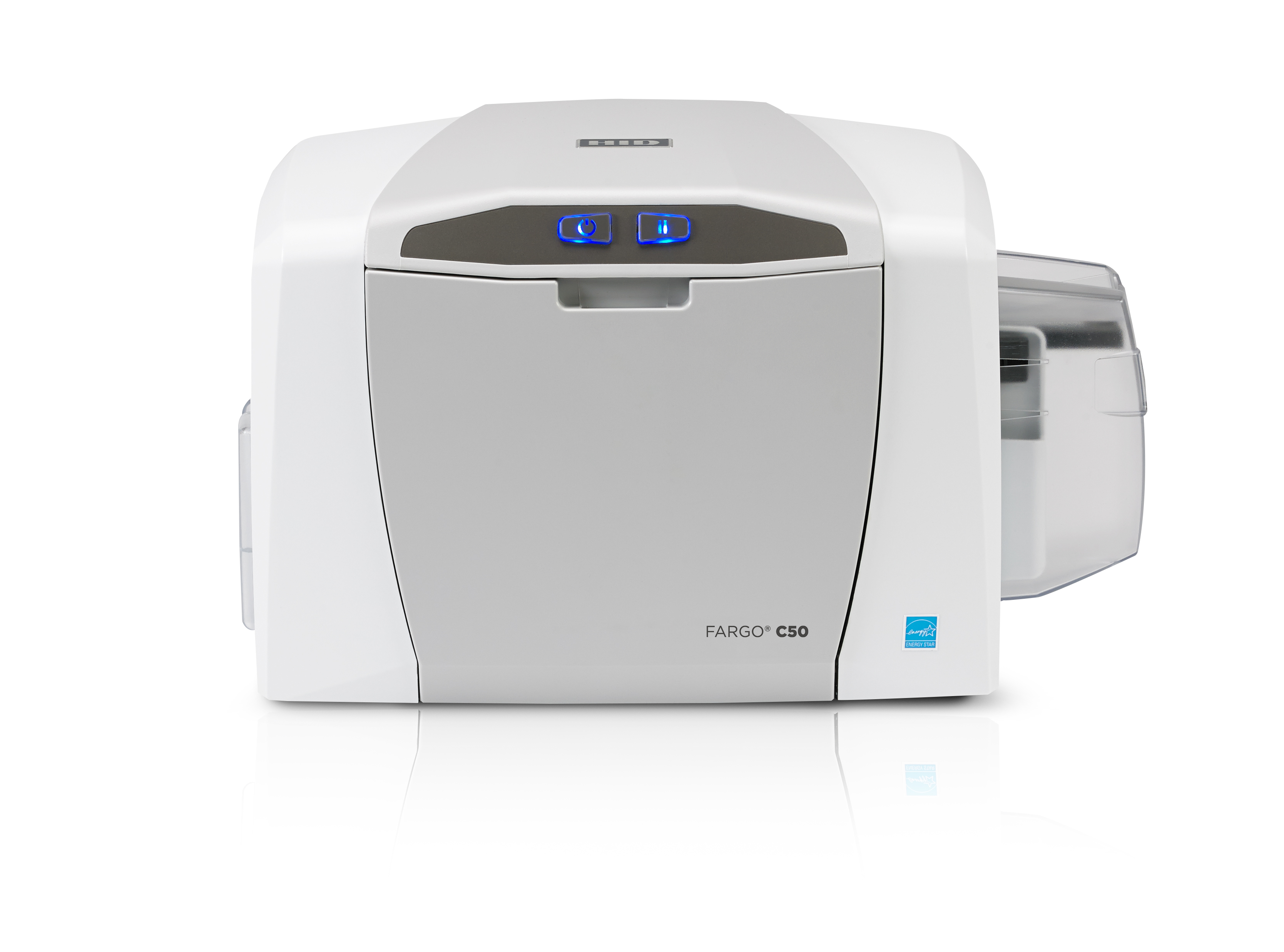 Fargo C50 ID Card PrinterBarcode vault provides you Fargo C50 ID card printer. Simple affordable and reliable ID card printer. Specially designed for Business, schools and government agencies.View product
-
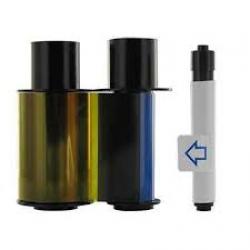 Fargo Card Printer ECO YMCKO 250 Color RibbonView product
The Fargo Card Printer ECO YMCKO 250 Color Ribbon is designed to deliver bright, sharp, and durable color printing for all types of PVC ID cards. It provides excellent full-color images, crisp black text, and a protective topcoat layer to ensure long card life. This ribbon is ideal for employee ID cards, school cards, membership cards, access cards, and all daily printing needs.
https://www.mindwaretechnologies.com/fargo-card-printers
Barcode Corporation is a trusted manufacturer, importer, and supplier of Fargo ribbons in India, offering genuine products with guaranteed quality. If you purchase this ribbon from us, service is paid, and we provide full technical assistance for installation and usage.
We strongly advise you not to purchase from other sources or marketplaces to avoid duplicate, faulty, or incompatible products.
For genuine products, always contact:
9717122688
gm@indianbarcode.com
-
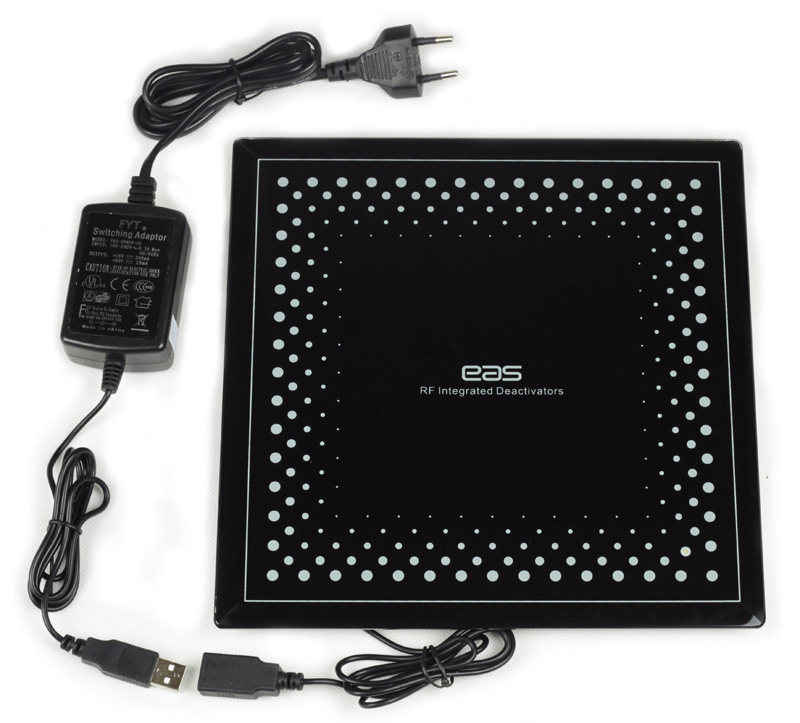 RF DEACTIVATORPortable, pad type deactivator unit allows for extremely fast & easy deactivation of RF labels & tags at point of sale.View product
-
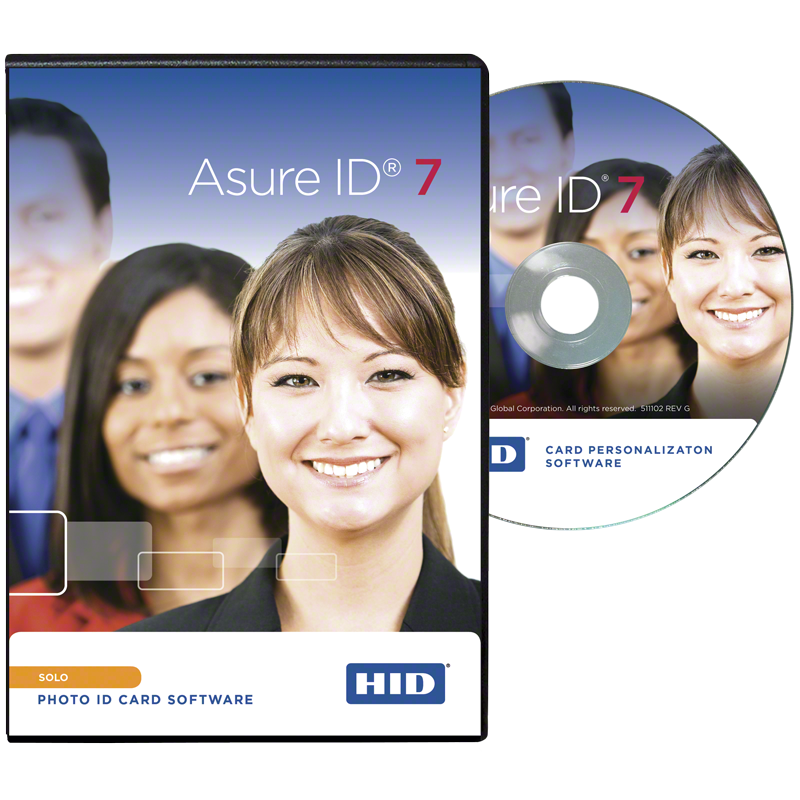 Asure ID 7 SoloView product
Entry-level ID Badge Software by HID. Asure ID 7 Solo Badge Software can hold up to 200 ID entries with an internal MS Access database. Easy image import feature, 1D barcode & mag stripe capabilities. Single User License. Support Option Available.
-
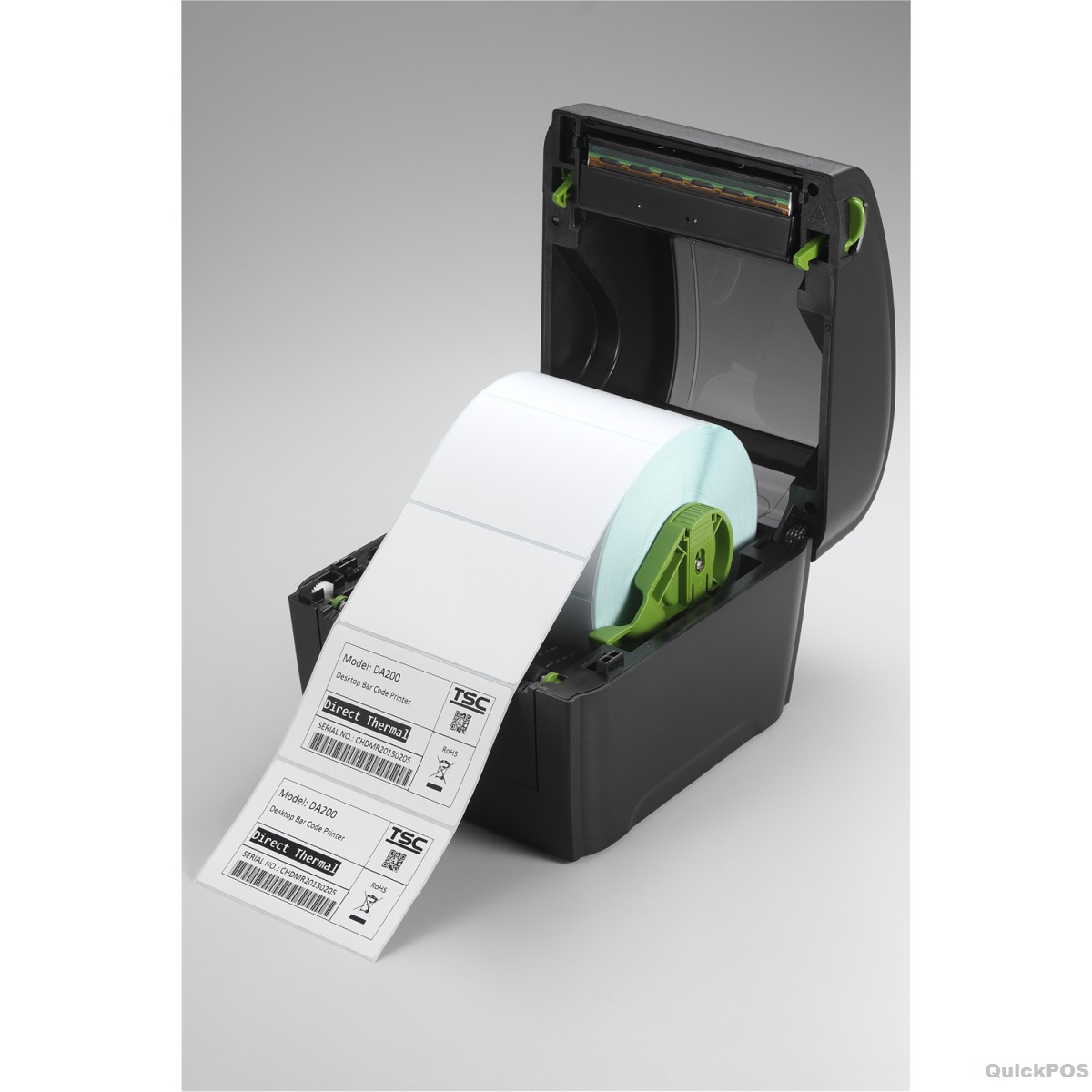 TSC DA200 Desktop PrinterSuperb print quality, fast performance, intuitive Color Touch Display The MH 640 T Printer is TSC’s mainstream industrial barcode label printer. The MH640 features a premium printhead technology, faster processor, and all the memory customers will need to print high quality labels delivered at the fastest speeds. Enhanced Print Quality The MH 640 Series features the best print quality TSC has ever offered thanks to the latest printhead technology combined with faster processors and upgraded firmware. We call our enhanced print quality “Thermal Smart Control†which tracks and precisely calculates the duration that each pixel needs to be heated to provide accurate, crisp and clear labels every time, whether you are printing one label at a time or thousands of labels in a batch. Smart Colorful Display The new MH 640 T Series comes with a high-contrast 4.3†color touch LCD panel with 6 button control user friendly design for simple printer set up and job status. Common tasks such as label calibration are one touch away. Menus can be customized to bring common tasks to the front screen, making the MH 640 T Series the easiest to operate printer. Multiple Resolutions for a wide range of applications The MH 640 T Series can print on a wide variety of labels, ranging from healthcare patient safety, electronics and jewelry labeling to shipping and distribution labels, making it ideal for industrial duty printing. There are 9 models available with the new MH 640 T Series. The MH240/MH240T/MH240P prints at 203 dpi at speeds up to 14 inches per second, MH340/MH340T/MH340P offers 300-dpi resolution at speeds up to ten inches per second, and the MH640/MH640T/MH640P features 600 dpi resolution which makes it ideal for printing very small 2D barcodes, graphics, fine print and other ultra-high-resolution images. Loaded with standard features The MH640 Series features a rigid, full die-cast aluminum frame designed to last in tough environments and supports a large 8.2 inch outer diameter label roll and up to 600 meter ribbon capacity for high volume printing. Because our printers our built to last, we back them with a standard two-year limited warranty. Optional Full Roll Internal Rewind Version The MH640P version of the printer allows for entire rolls of labels to be rewound inside the printer. The full roll rewind printers (MH240P, MH340P and MH640P) are designed to internally rewinds full label roll on 3" core (comes with taller, non-standard printer base).View product
-
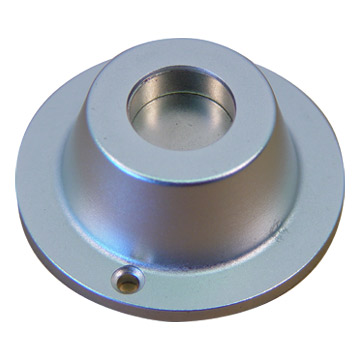 RF Hard Tag DetacherDurable, easy-to-use detachers are available to remove most hard tags.View product
-
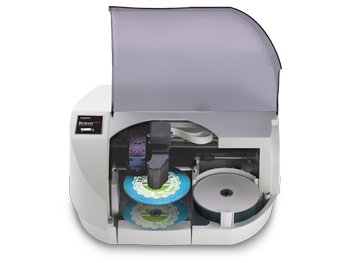 Bravo SE-3 Autoprinter and Disc PublishersView product
Bravo SE-3 is a compact, all-in-one, automated disc production device that fits perfectly on your desktop. It automatically copies and prints up to 20 discs per job and is perfect for a wide variety of light-to medium-duty disc publishing jobs.
-
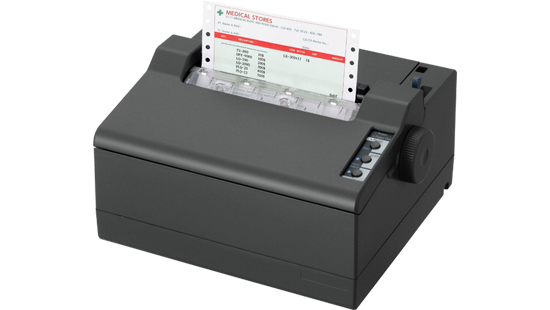 Epson LQ 50 Dot Matrix PrinterThis ultra-compact printer is ideal for small shop counters and delivery vans, offering reliable operation with a low TCO.View product
-
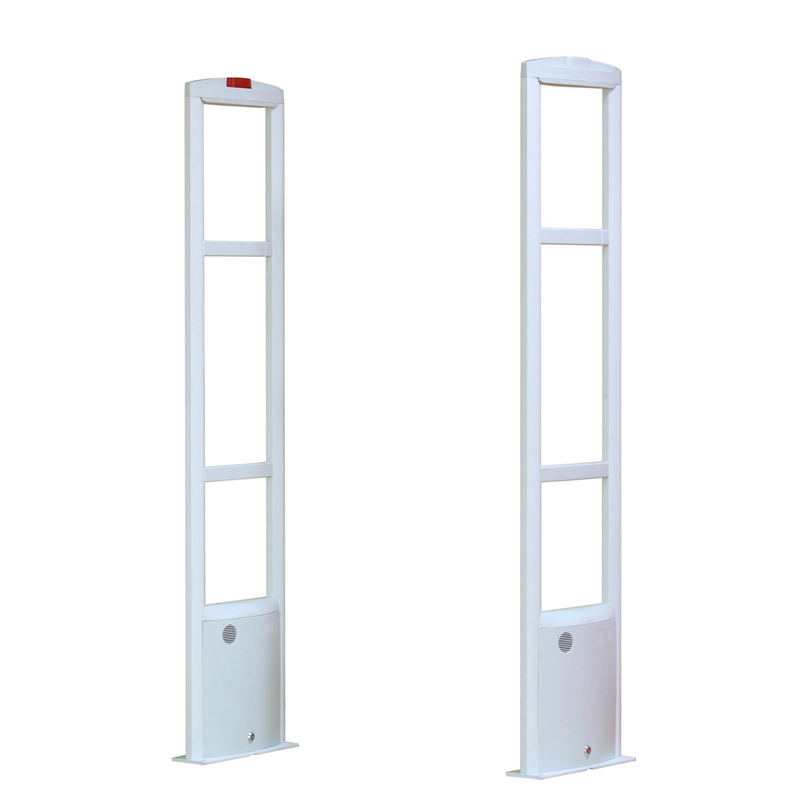 Retail Store Security Antenna 8.2Mhz RF SystemThe RF antenna deters theft by activating alarm when it detects the unique response of an active reusable tag or disposable tag.View product
-
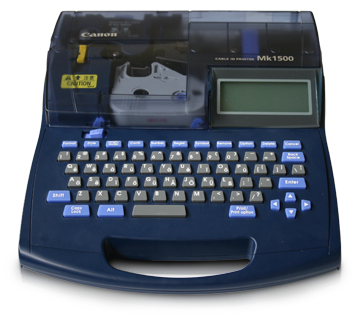 Canon MK1500 Ferrule PrinterView product
The Canon MK1500 Ferrule Printer is a high-precision tube and label marking machine designed for professional electrical, panel wiring, automation, and industrial identification work. It delivers sharp 300dpi printing on PVC tubes, heat-shrink sleeves, and label tapes. With fast print speed, auto/full-cut options, a graphic LCD display, and strong memory capacity, the MK1500 is a reliable solution for electricians, panel builders, cable harness manufacturers, and onsite service teams.
BarcodeVault supplies, distributes, and provides service support for the Canon MK1500 Ferrule Printer across India, offering genuine machines, consumables, and expert technical assistance.
-
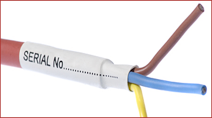 Indomax Heat Shrinkable TubesWith MAX Ferrule Printing Machine, we can print on Heat Shrinkable Tube Normal size up to 8 mm ID.View product
-
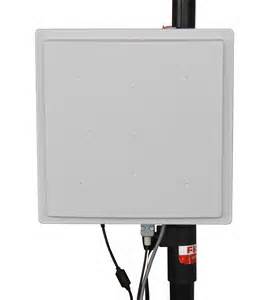 UHF Medium Range ReaderView product
UHF Medium Range Reader is a high-performance RFID reader designed to provide seamless and reliable medium-range reading capabilities for a variety of applications including inventory management, access control, logistics, and asset tracking. Manufactured by a trusted name in the RFID technology industry, this reader ensures superior scanning efficiency, durability, and long-term operational reliability.
We, as importers, distributors, suppliers, and manufacturers of RFID solutions, offer the UHF Medium Range Reader with comprehensive free service if purchased directly from us. Customers who purchase the product from any other source may be subject to paid service charges. Please ensure you buy directly from us to avail of all benefits and support. For any inquiries or service requests, you can contact us at +91 8800839490 or email at gm@indianbarcode.com.
The UHF Medium Range Reader is ideal for businesses looking for a reliable, high-quality RFID solution from a genuine manufacturer and supplier, with dedicated customer support. We strongly advise against purchasing from other websites to ensure service reliability and authentic product support.
-
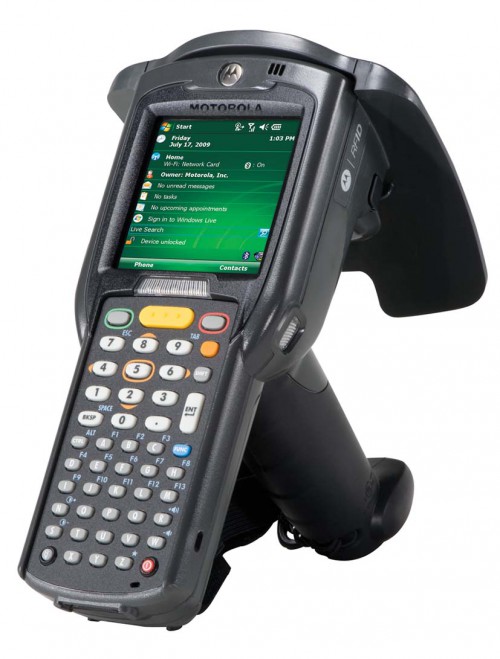 Zebra MC3190 Z RFID ReaderThe MC3190-Z builds on with a rugged design and high performance industrial handheld with an advanced, high efficiency RFID reader engine for faster read rates and higher throughput.View product
-
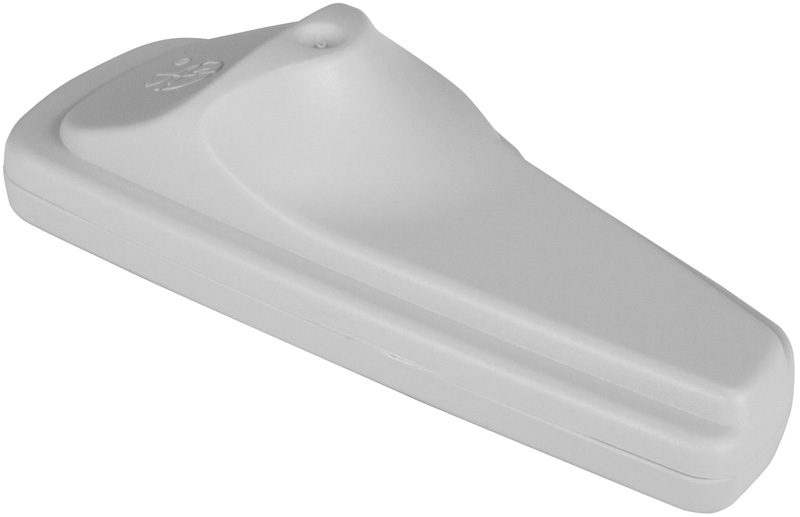 SuperTag IIIView product
This SuperTag provides top-of-the-line theft protection for everything from heavy outerwear to delicate intimate garments. The sleek shape provides a strong visual deterrent without detracting from high-end merchandise, letting retailers open-merchandise with confidence.
-
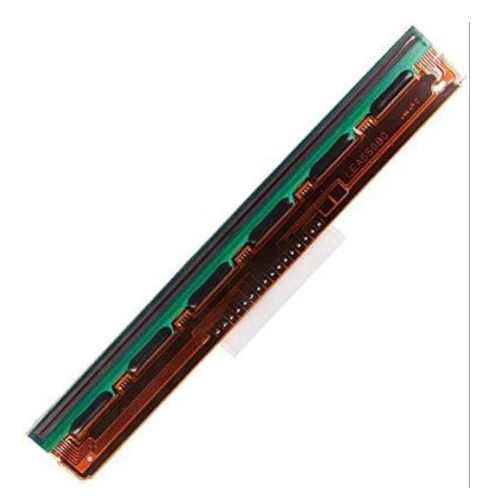 TSC TTP 244 Plus Printer HeadView product
The TSC TTP 244 Plus Printer Head is a premium-quality original replacement print head designed exclusively for TSC TTP 244 Plus Barcode Printer (203 DPI resolution). It ensures sharp, durable, and high-precision printing for all types of barcode label applications — retail, logistics, warehouse, manufacturing, pharma, FMCG, and industrial labeling.
Important Note: Many unauthorized sellers provide duplicate or refurbished print heads that damage the printer and void the warranty.
For 100% original products with bill, warranty & guaranteed performance, always purchase from:
Barcode Vault – India’s Most Trusted Supplier of TSC / Zebra Scanners, Printers, Labels & Ribbons and Service Center
S-4, Pankaj Plaza, Plot No-7, Pocket-7, Sector-12, Dwarka, New Delhi – 110078
+91-9899774606 | +91-9205509033
Email: sales@barcodevault.comIf you purchase from Barcode Vault, you get Free Service Support.
If you purchase from other sources, service becomes paid.
-
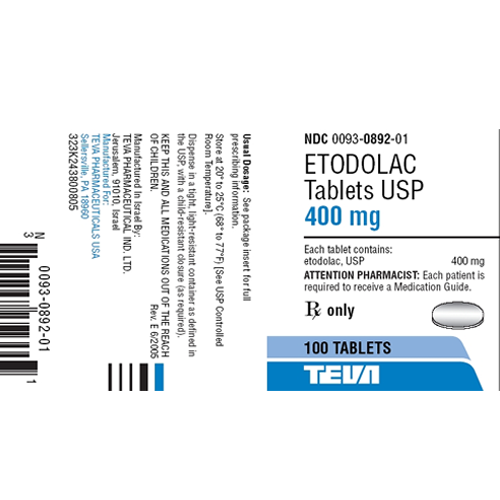 Health Care LabelsIndian barcode manufactures good quality health care labels at best prices. Health care labels are essential in medical field, We manufacture high quality sterile and non-sterile health care labels specifically created for medical use.View product
-
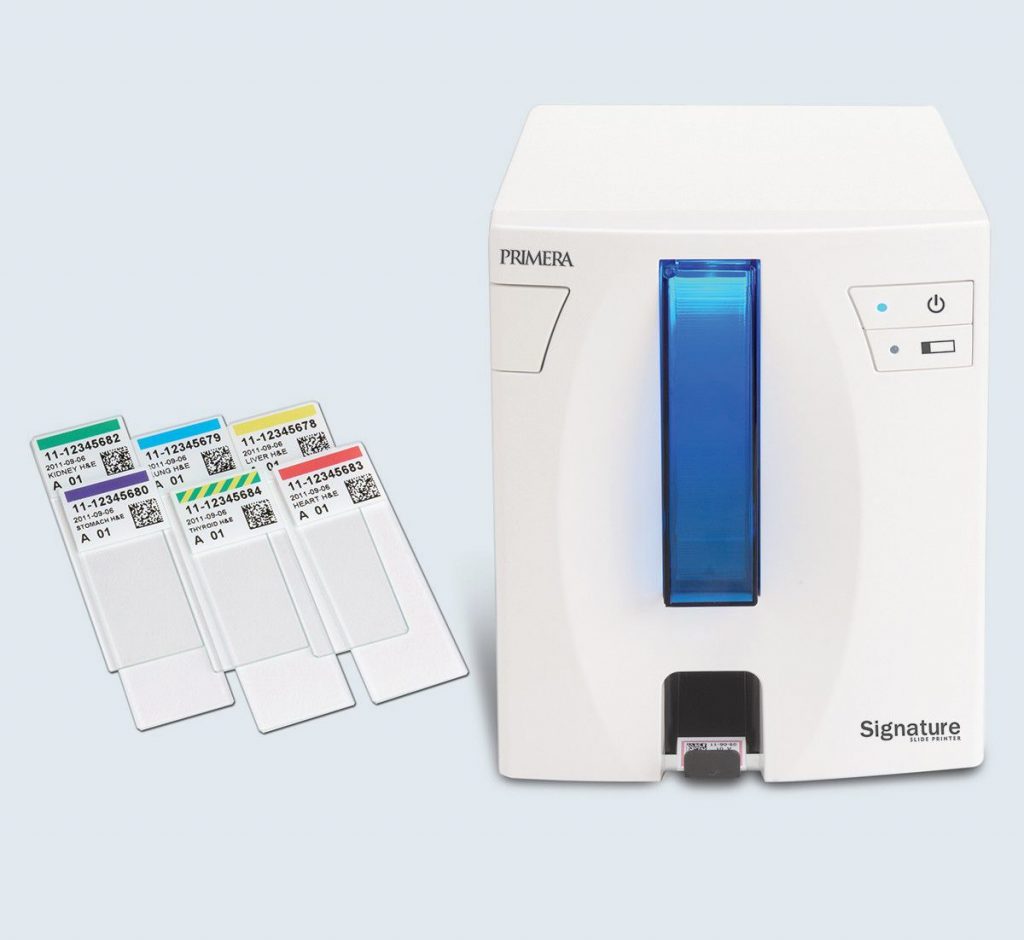 Signature Slide PrinterView product
Primera's new Signature Slide Printer can significantly increase the efficiency of your lab while helping to reduce the risk of misidentification of specimens. It prints directly onto slides, eliminating handwriting or expensive, difficult to apply xylene-resistant labels. With impressive 300 dpi print resolution, you can print text, graphics and logos along with high-resolution linear and 2D bar codes on every slide you process.
-
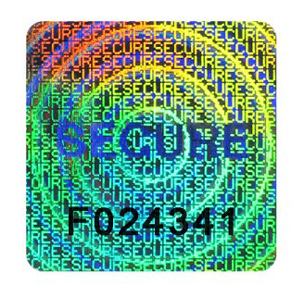 SECURITY HOLOGRAM LABELSSecurity holograms are labels with a hologram on them, they are used primarily for security reasons. Security holograms are very difficult to forge because they are replicated from a master hologram which requires expensive, specialized and technologically advanced equipment. It cannot be manufactured just like other stickers. Holograms have also been used even in currencies.View product
-
 Disposable Hospital CapsBarcode vault is the trusted name for manufacturing good quality Hospital Disposable Caps. Surgical caps are the headcover worn by doctors, nurses, patients, etc for avoiding hair contamination. Barcode vault has marked its presence as one of the forefront Disposal Medical Caps Manufacturers, Suppliers, and Exporters from India. For the best quality hospital supplies contact us at +91 9717122688 or mail us to barcodevault@gmail.comView product
-
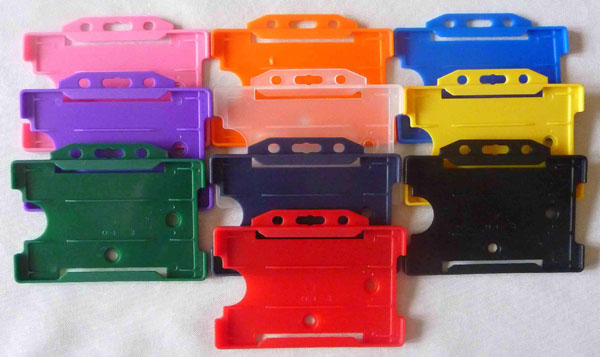 Card HolderView product
Barcode Vault leading manufacturers and exporters of a wide range of Card Holders which is made by using finest quality plastic as raw material.
-
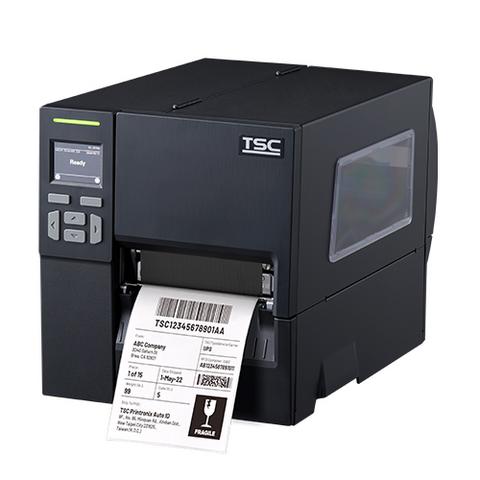 TSC MB241 4-Inch Industrial Label PrinterView product
The TSC MB241 4-Inch Industrial Label Printer is a compact, high-performance printer designed to deliver durability and efficiency in industrial environments. Supporting both Thermal Transfer and Direct Thermal printing, it ensures crisp and accurate barcode labels for manufacturing, logistics, healthcare, and retail operations.
With a 203 dpi print resolution and print speeds up to 10 inches per second, the MB241 offers exceptional print quality and productivity. Its rugged die-cast aluminum frame and user-friendly design make it ideal for continuous operation in demanding workspaces.
Featuring a 2.3-inch color LCD display and intuitive control panel, it’s easy to operate and maintain. The printer supports USB, Serial, and Ethernet connectivity, with optional Bluetooth or Wi-Fi, making integration simple and flexible.
For the best price, call 8527522688 or email gm@indianbarcode.com
-
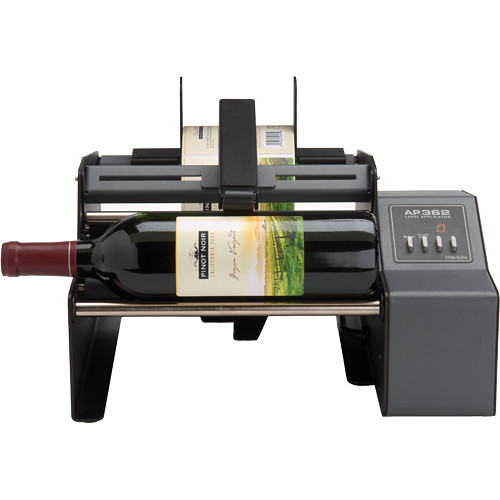 AP362 Label ApplicatorView product
AP362 Label Applicator
Primera’s AP-Series Label Applicators are the perfect semi-automatic labeling solution for cylindrical containers as well as many tapered containers, including bottles, cans, jars and tubes.
Set-up and operation is fast and easy. Just:- Set the guides
- Place your container in the machine
- Press the footswitch and your label is applied
The built-in spring-loaded pressure arm makes sure labels are applied firmly and without wrinkles.
With an AP-Series Label Applicator you’ll apply labels faster and more accurately – helping to speed up your production and sell more of your products!
-
 TSC 244 Pro Label PrinterThe TTP-244 Pro or TSC 224 label or barcode printer provides a high quality barcode printing, fast print speed and the largest memory capacity,can handle variable ribbon sizes up to 300 meters length and width can be 110mm ,and is availablable on the affordable rates with 1 years warranty.View product
-
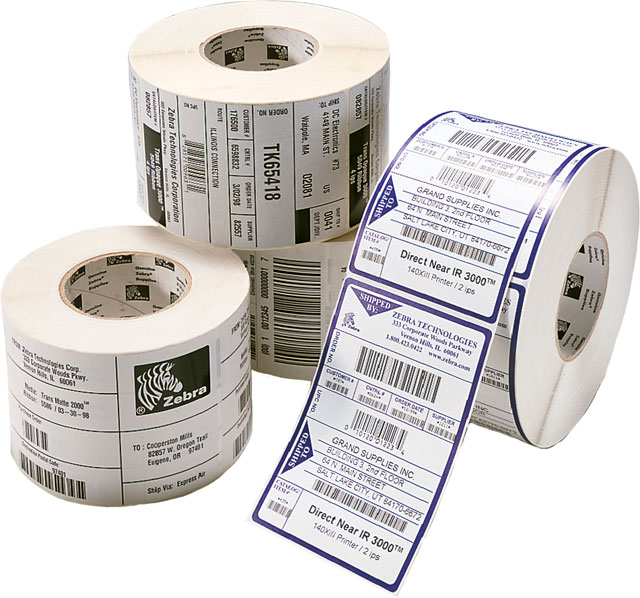 Paper LabelsA label is a piece of paper, polymer, cloth, metal, or other material affixed to a container or article, on which is printed a legend, information concerning the product, addresses, etc. Labels have many uses: product identification, name tags, advertising, warnings, and other communication. Special types of labels called digital labels (printed through a digital printing) can also have special constructions such as RFID tags, security printing, and sandwich process labelsView product
-
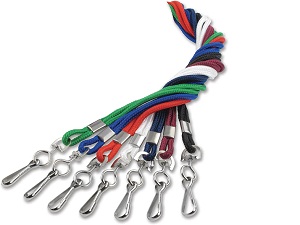 Standard Nylon LanyardsView product
You can hang just about anything from these durable round braid nylon lanyards – and because they’re made to last a lifetime and come in twelve great colors, you’ll want to share them with all your employees, members or students.
-
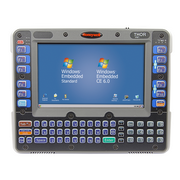 Thor VM1/CV41 Mini Computerbarcodevault Thor VM1 vehicle mount computer, the ideal forklift computer, outdoes the competition with design breakthroughs. In today’s supply chain, the only constant is change. Disruptions, whether short-term like a forklift failure, or long-term like a natural disaster, are a fact of life. The supply chains best prepared to adapt to these disruptions will use mobile computing technology that gives them greater flexibility. The Thor VM1 vehicle mount computer (VMC), part of the tenth generation of VMC developed by Honeywell, provides unprecedented flexibility in a mobile computer.View product
-
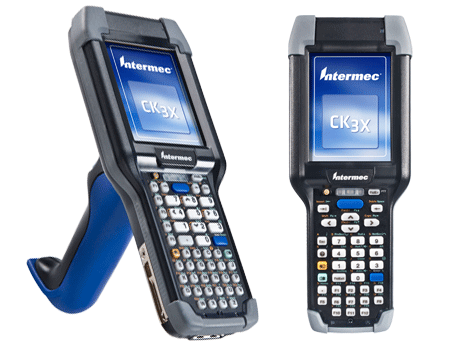 Mobile Computers CK3XFeaturing a highly adaptable design, the CK3X enables a variety of in-premise applications to reach their full workflow performance potential ,Full support from barcodevault.comView product
-
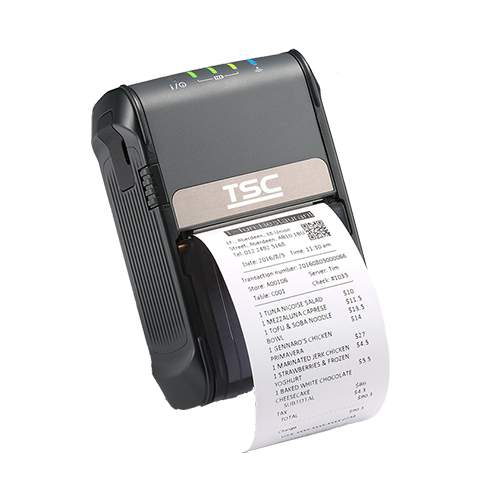 TSC Alpha-2R Mobile Label PrinterView product
BarcodeVault presents the TSC Alpha-2R Mobile Label Printer, a compact, durable, and lightweight direct thermal printer designed for mobile printing applications. Ideal for retail, logistics, ticketing, and field service operations, it delivers fast and high-quality receipts and labels anywhere you need them.
As a trusted distributor, importer, supplier, and service center in India, BarcodeVault ensures genuine products, best pricing, and complete support.
When purchased from BarcodeVault, you receive 1-year free technical support. For non-purchased products, paid technical services are available.
For more details, call +91 9717122688 or email gm@indianbarcode.com
-
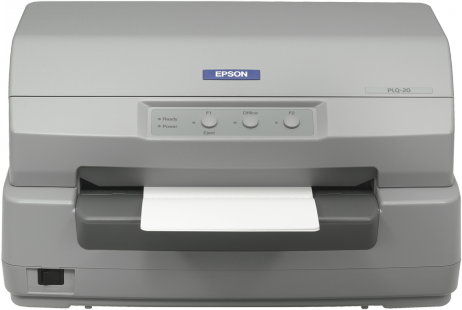 Epson PLQ-20M Passbook PrinterEPSON PLQ-20MÂ Print passbooks, visas, tickets and more at high speed and great quality with this tiny but powerful flatbed printer.View product
-
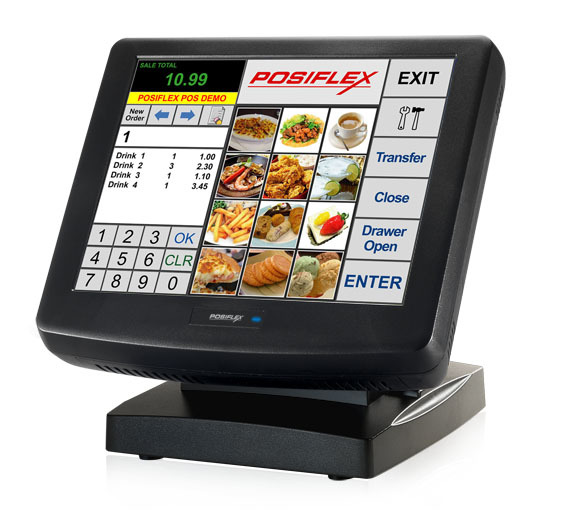 posiflex-xt-6715-pos-systemPOS terminal should add something to the overall mood of the store, to lift the shopping experience of the customers.View product
-
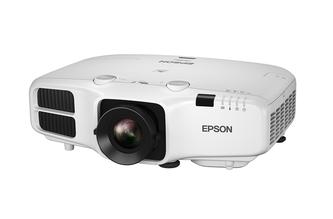 Epson 4650 XGA 3LCD ProjectorView product
The Epson EB-4650 delivers brilliant presentations with incredible image quality and reliability.Â
White and Colour Brightness at 5,200lm
XGA resolution
Point correction to adjust distorted images
Wide Lens Shift
Epson iProjection
-
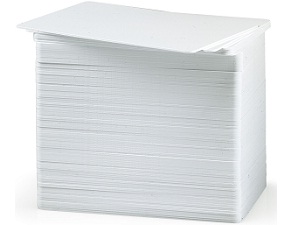 Standard Blank White PVC CardsView product
tandard Blank White PVC Cards are high-quality, durable cards specially designed for a wide range of applications, including ID cards, membership cards, access control, loyalty programs, and more. Manufactured by one of India’s leading distributors, importers, and suppliers of PVC cards, these cards ensure excellent print quality, longevity, and professional finish.
When you purchase these Standard Blank White PVC Cards directly from us, you receive free services including support for barcode printing and customization. However, if the product is purchased from other sources or websites, these services will be available on a paid basis only. For any queries or orders, you can reach us at +91 8800839490 or email us at gm@indianbarcode.com.
We are proud to be a trusted manufacturer, importer, and supplier of top-quality PVC cards for barcode applications. Avoid purchasing from unauthorized sources to ensure you receive the genuine product along with our dedicated support and service. Our PVC cards are compatible with all standard barcode printers and are designed to deliver crisp, professional barcode printing every time.
With extensive experience in the barcode industry, we specialize in providing high-quality PVC cards that meet international standards. Whether it’s for corporate ID solutions, retail programs, or access control systems, these Standard Blank White PVC Cards offer reliability, durability, and superior performance.
-
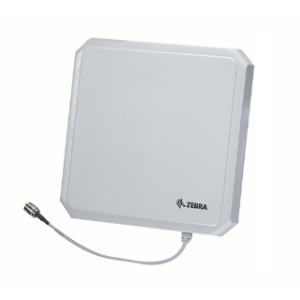 Zebra AN200 RFID ANTENNAView product
Zebra general purpose AN200 RFID antenna can be used reliably in a wide range of indoor and outdoor environments, from the warehouse to the production line to the docking zone.AN200 is a single port wide band antenna that offers maximum performance and is designed for use worldwide.
-
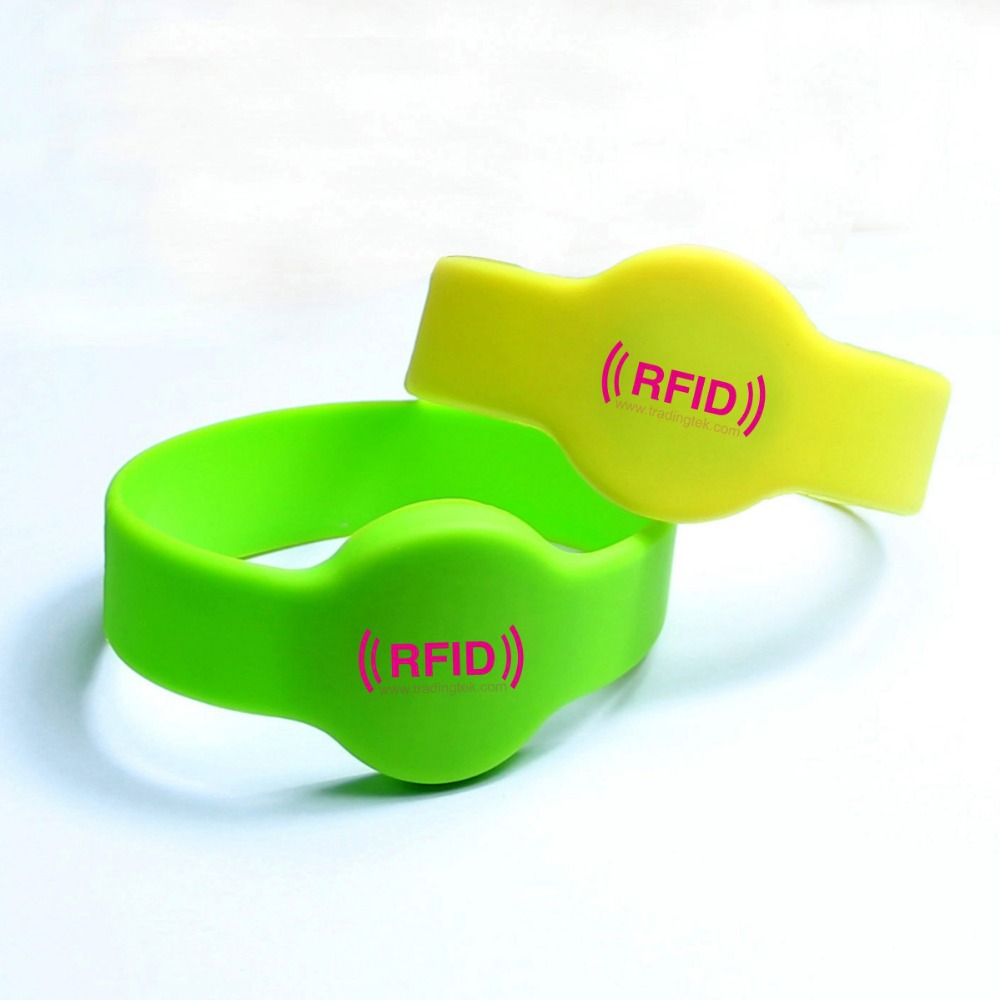 RFID Silicone BraceletsView product
RFID Silicone Bracelets are an innovative solution for access control, event management, cashless payments, and customer engagement. These bracelets are crafted from high-quality, durable silicone material, ensuring comfort and long-lasting wear for users of all ages. As a leading distributor, importer, supplier, and manufacturer, our company ensures that every RFID Silicone Bracelet meets the highest standards of quality and reliability.
Purchasing directly from us guarantees free services, including technical support, setup guidance, and personalized assistance. If purchased from any other source, these services are available on a paid basis. We strongly advise customers to buy directly from us to ensure genuine products and full support. For inquiries or orders, you can reach us at +91 8800839490 or email at gm@indianbarcode.com.
Our RFID Silicone Bracelets are widely used across events, corporate functions, amusement parks, healthcare, and loyalty programs. As a trusted manufacturer, supplier, and distributor, we focus on providing top-quality products that combine durability, functionality, and modern design. Do not purchase from unauthorized sources to avoid counterfeit products or incomplete services.
-
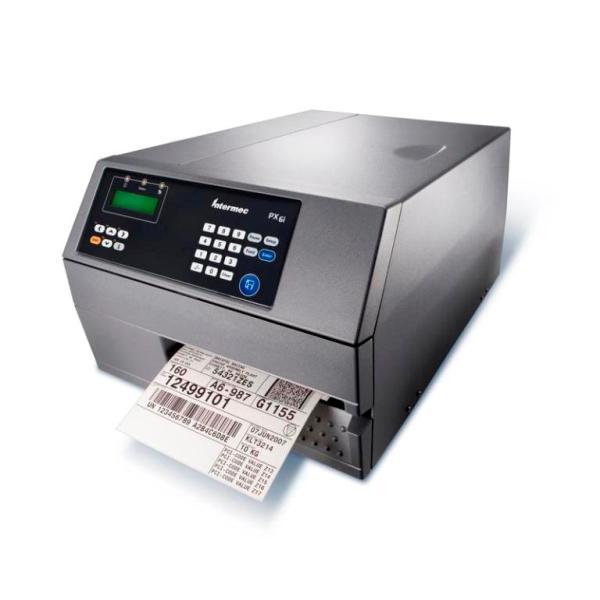 Intermec PX6i RFID PrinterA member of the smartest RFID printer family on the market, the PX6i is flexible and programmable, enabling customers to optimize their printing operations, streamline deployment, and achieve quick return on investment. Built to meet the needs of round-the-clock, mission-critical applications, the rugged PX6i delivers advanced connectivity and network protocols, ensuring peace-of-mind today and a reliable, scalable solution for the long haul. The PX6i RFID Printer is part of Intermec's complete line of smart, strong and secure industrial printers.View product
-
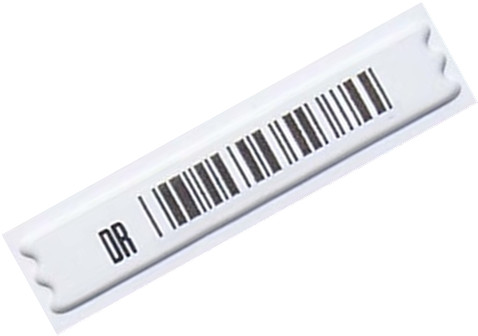 AM DR Soft LabelsSmall label footprint minimizes impact on brand promotion and important product informationView product
-
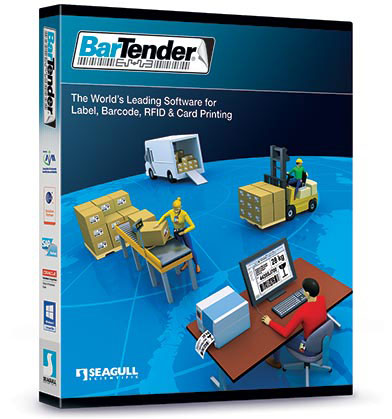 Bartender Label Designer SoftwareOur most powerful edition. Includes all of the design, printing, software integration, and data sourcing features of the Automation edition, plus advanced server functions for centralized printing, security and administration. Supports RFID and all card printing and smart card encoding functions. Includes BarTender Web Print Server to print labels from any browser. Contains our most advanced integration features, including TCP/IP triggers, SAP AII, Oracle XML, XML transforms, and XML scripting. Includes full functionality for all of the Companion Applications, including Librarian and logging to centralized databases. Tracks printer parts inventory and in-printer media usage.View product
-
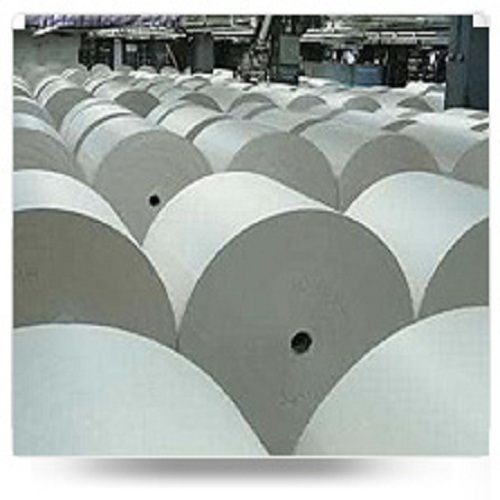 Stock Lot PapersView product
We are one of the Biggest Manufacturing, Importer, and Seller of high-quality Poly-Coated Papers. We offer this product in various specifications as per the need of clients. Fabricated using superior quality raw material and advanced technology, this is designed with high precision in order to meet the set industry standards. Clients can avail this product at a pocket-friendly price range. We give the Best Quality Products for our Clients.
- POLY RELEASE 100 TO 120 GSM
- POLY BASE PAPER
-
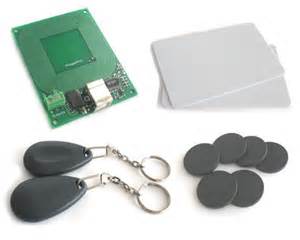 RFID Hard TagsRFID Hard Tags are premium-grade identification devices designed for seamless tracking and management of assets across various industries. As a trusted distributor, importer, supplier, and manufacturer, we ensure that our RFID Hard Tags meet stringent quality standards, providing durability, reliability, and superior performance. When you purchase RFID Hard Tags directly from us at Barcode Vault, you benefit from free professional service, including installation support and technical assistance. However, if purchased from any other source, the service will be paid. We strictly recommend purchasing only through our channels to guarantee product authenticity, proper service, and long-term performance. For inquiries and purchases, contact us at +91 8800839490 or email gm@indianbarcode.com. Our RFID Hard Tags are ideal for inventory management, asset tracking, warehouse operations, and access control applications, combining innovative technology with ease of use.View product
-
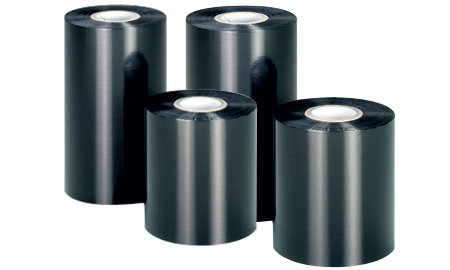 Wax Ribbon IBCW12 and IBCW14AView product
Wax Ribbon IBCW12 and IBCW14A are premium-quality Thermal Transfer Wax Ribbons designed for sharp, high-contrast and durable barcode printing on labels. These ribbons are compatible with all leading thermal barcode printers and deliver excellent performance for shipping labels, product labels, warehouse labeling, retail labeling, inventory tagging and packaging applications. The formulation provides crisp text, bold barcodes and fast scanning accuracy without smudging or fading.
Barcode Vault is the direct manufacturer, importer, distributor and supplier of Wax Ribbon IBCW12 and IBCW14A, ensuring the highest quality at the best price in India. If you purchase this product directly from Barcode Vault, you will receive free technical support and service. However, if you purchase from other websites or resellers, service will be chargeable.
To avoid counterfeit or duplicate barcode ribbons, we strongly recommend ordering only from Barcode Vault.
For bulk orders, technical guidance or support, contact:
Call: +91 8800839490 & Email:sales@barcodevault.com / gm@indianbarcode.com
-
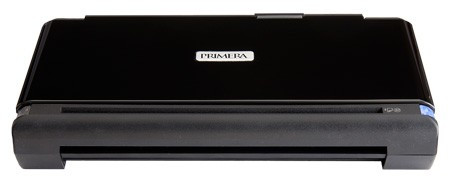 Primera Trio All-in-One PrinterThe Primera Trio is an all-in-one inkjet printer with scan and copy functions. It works with Windows and macOS. This printer is a multi-color ink cartridge and it must be replaced when a single color runs out and the capacity of the main paper tray is 10 sheets, rather small. The printer has no display screen, no networking capability, only direct USB Connection. you can also print from a camera or Laptop. when setting up for use, the Primera Trio requires a space that measures 10.9 inches high by11.2 inches wide 21.1 inches deep.View product
-
Applications & Solutions



Healthcare Retail Logistics Manfacturing Government Travel & Leisure Special Materials Proud Partners :


-
Products & SupportBarcode Vault is dedicated to making your barcode printing experience easy, 100% satisfactory, and affordable.
-
What's New

-
2025-12-19 18:56:15Datalogic Scanner Solutions for Faster Business Growth
-
2025-12-10 11:00:43India’s Top Datalogic Products – Trusted & Delivered by Barcode Vault
-
2025-11-21 17:46:46Top 10 Mistakes Companies Make When Buying Thermal Transfer Ribbons
-